
Full 25-point door and opener safety check with every visit - springs, cables, rollers, tracks, and your LiftMaster or Chamberlain opener included
You get a price before we start. It does not change when the truck arrives.
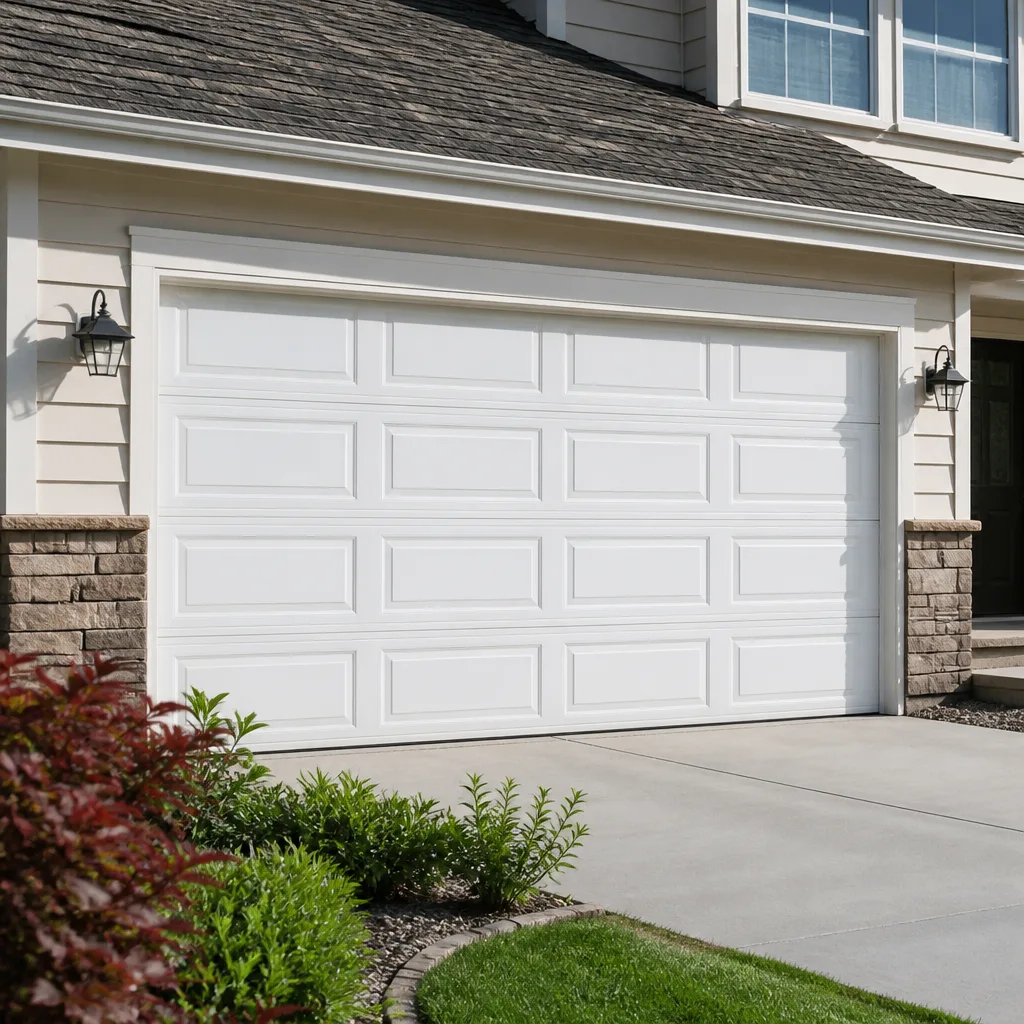
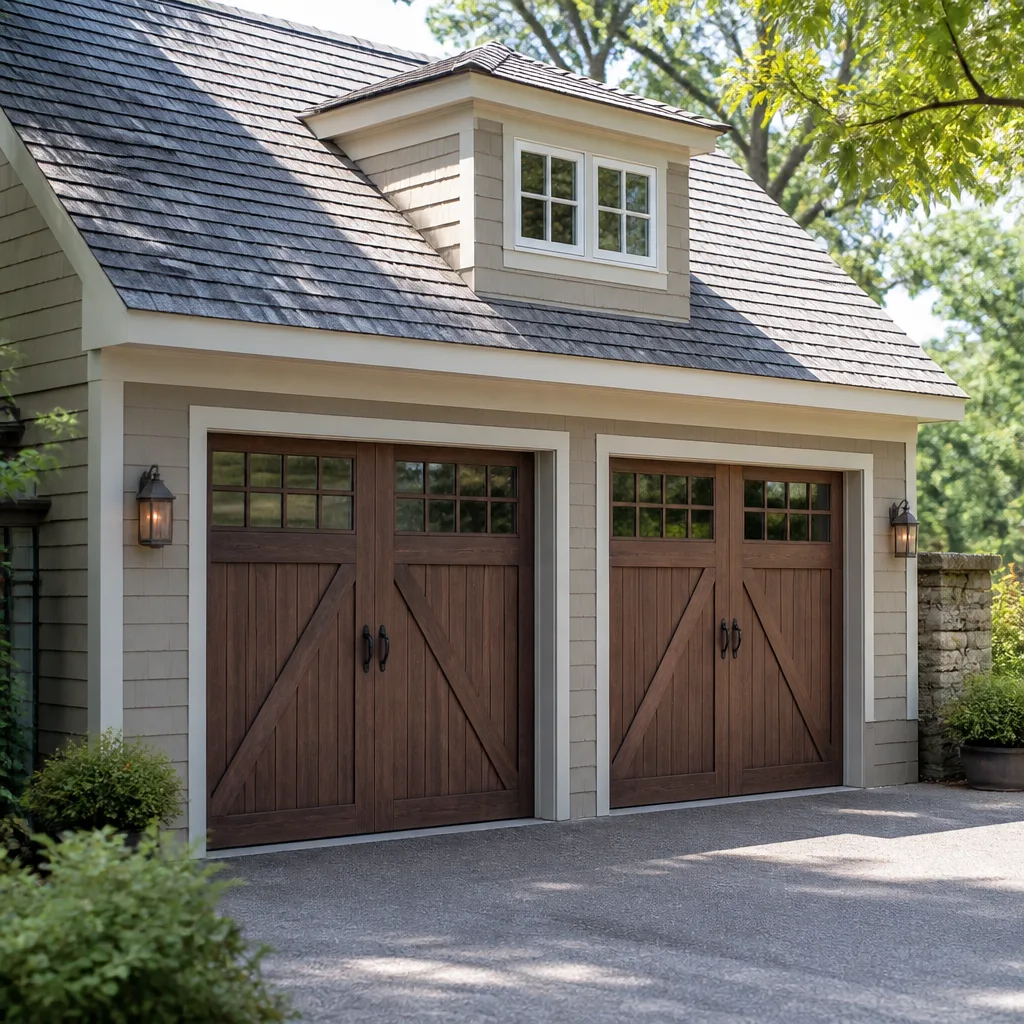
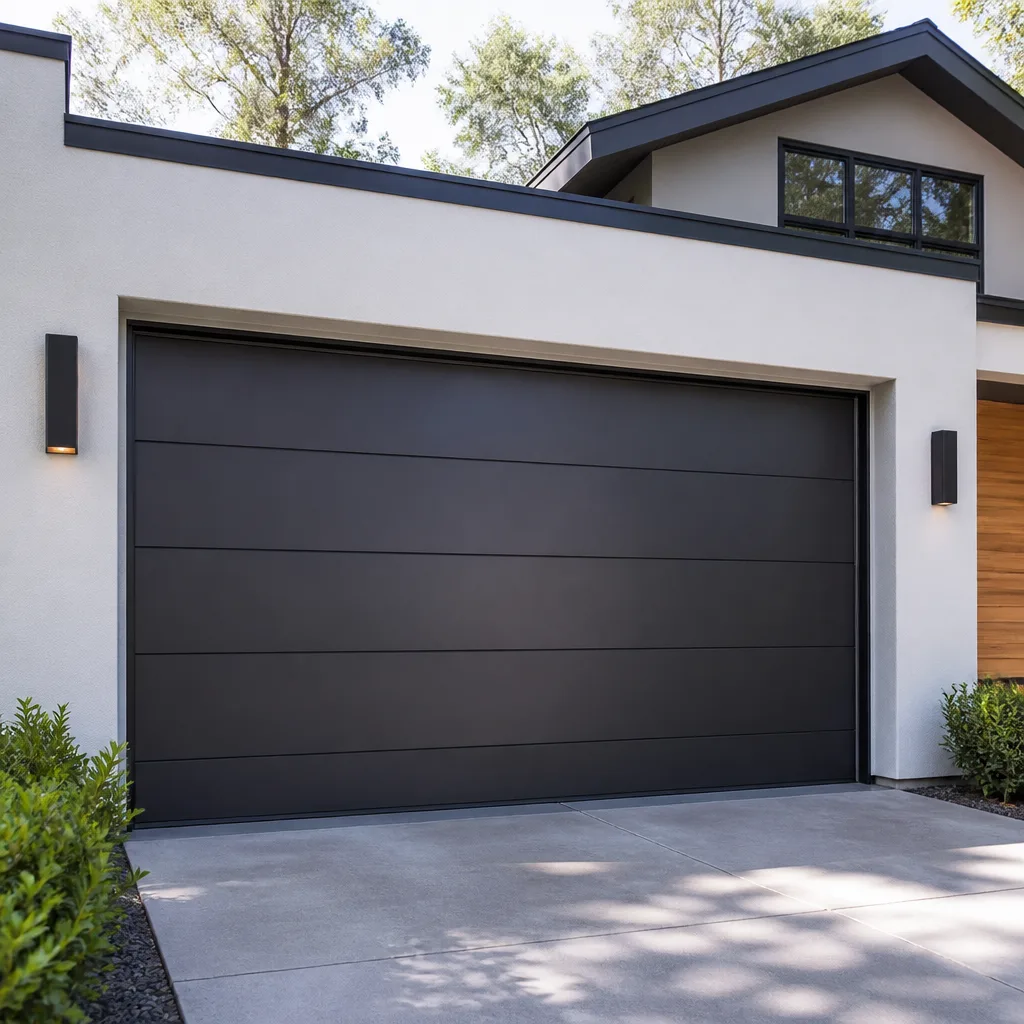
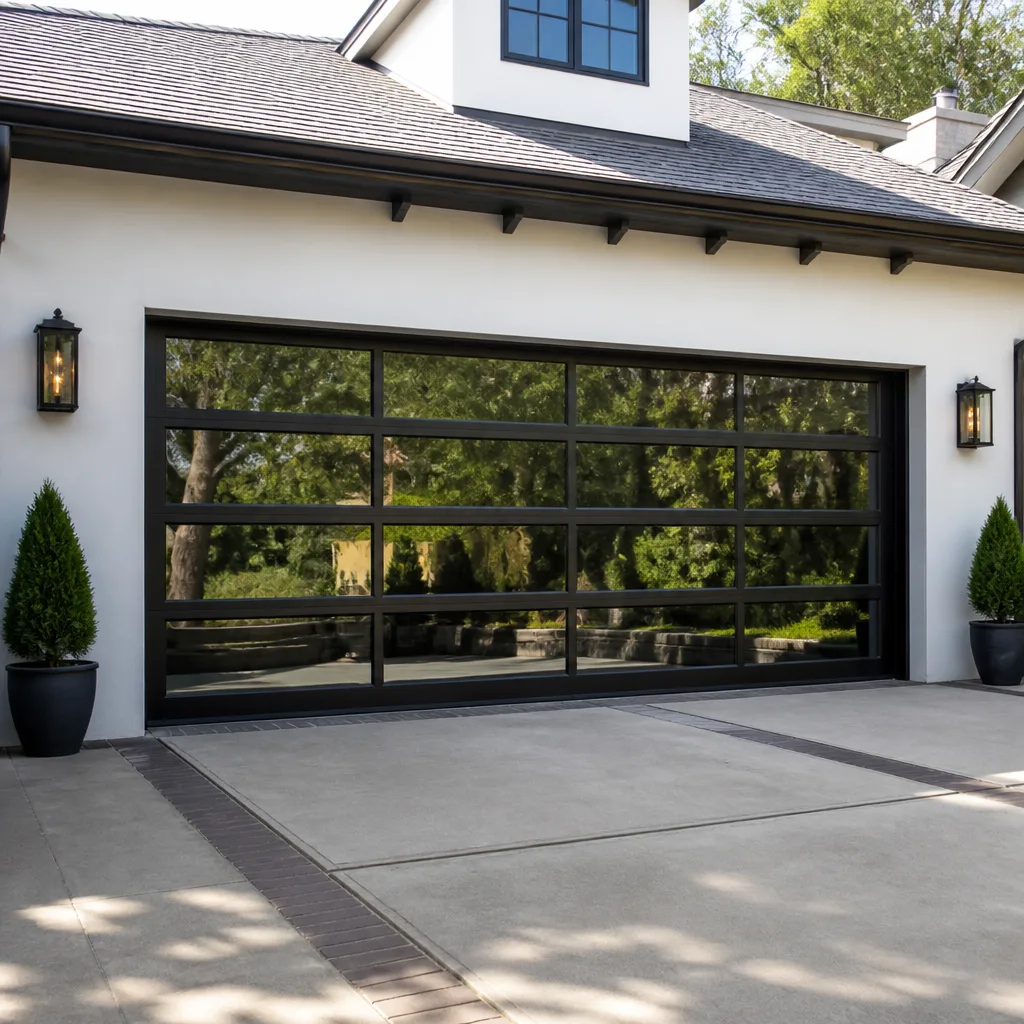
 Before
 After
After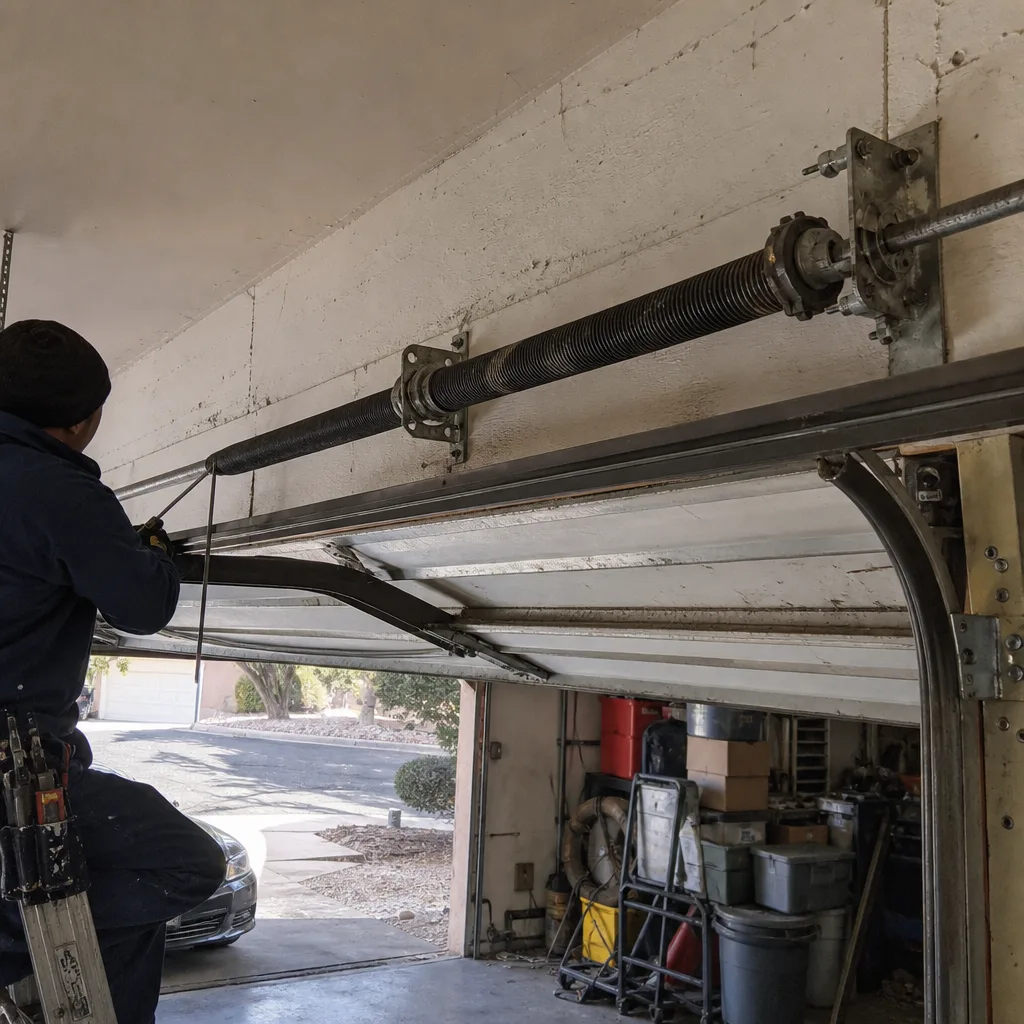 Before
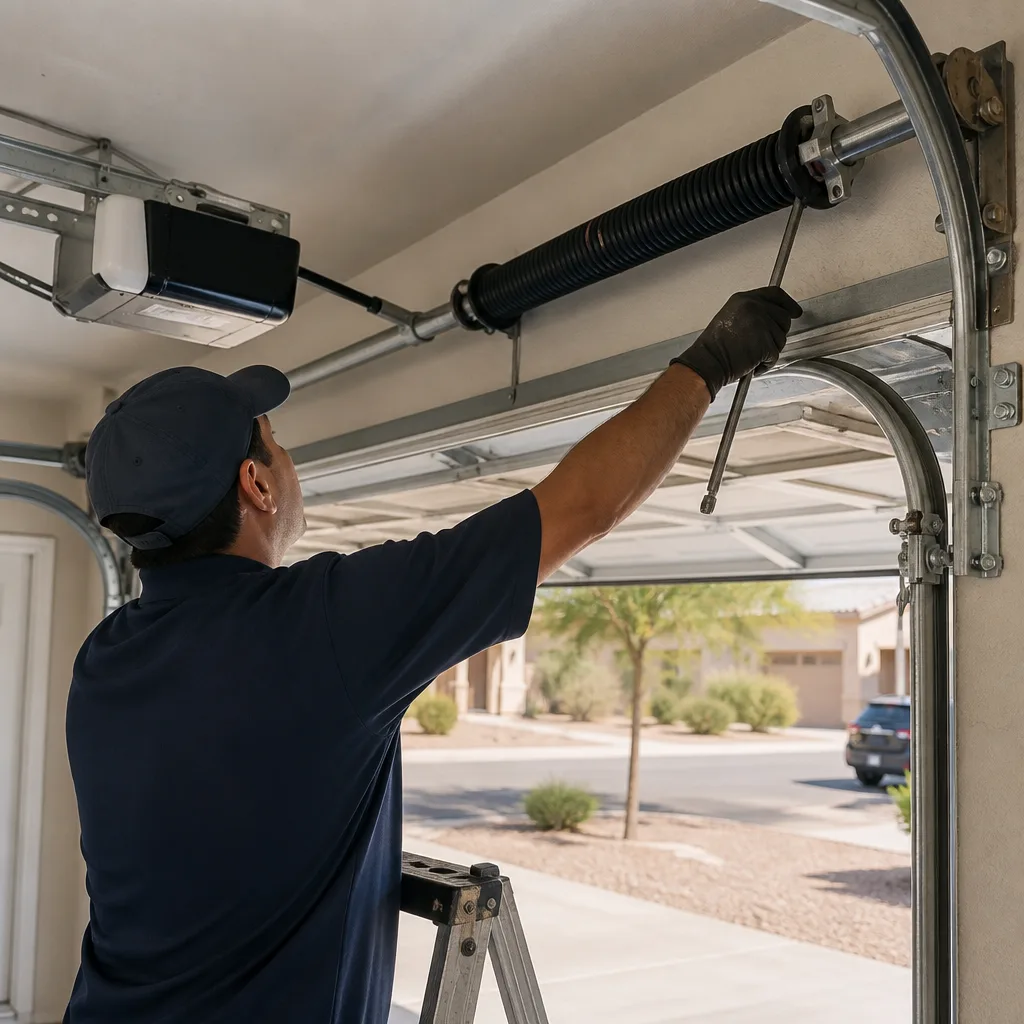 After
After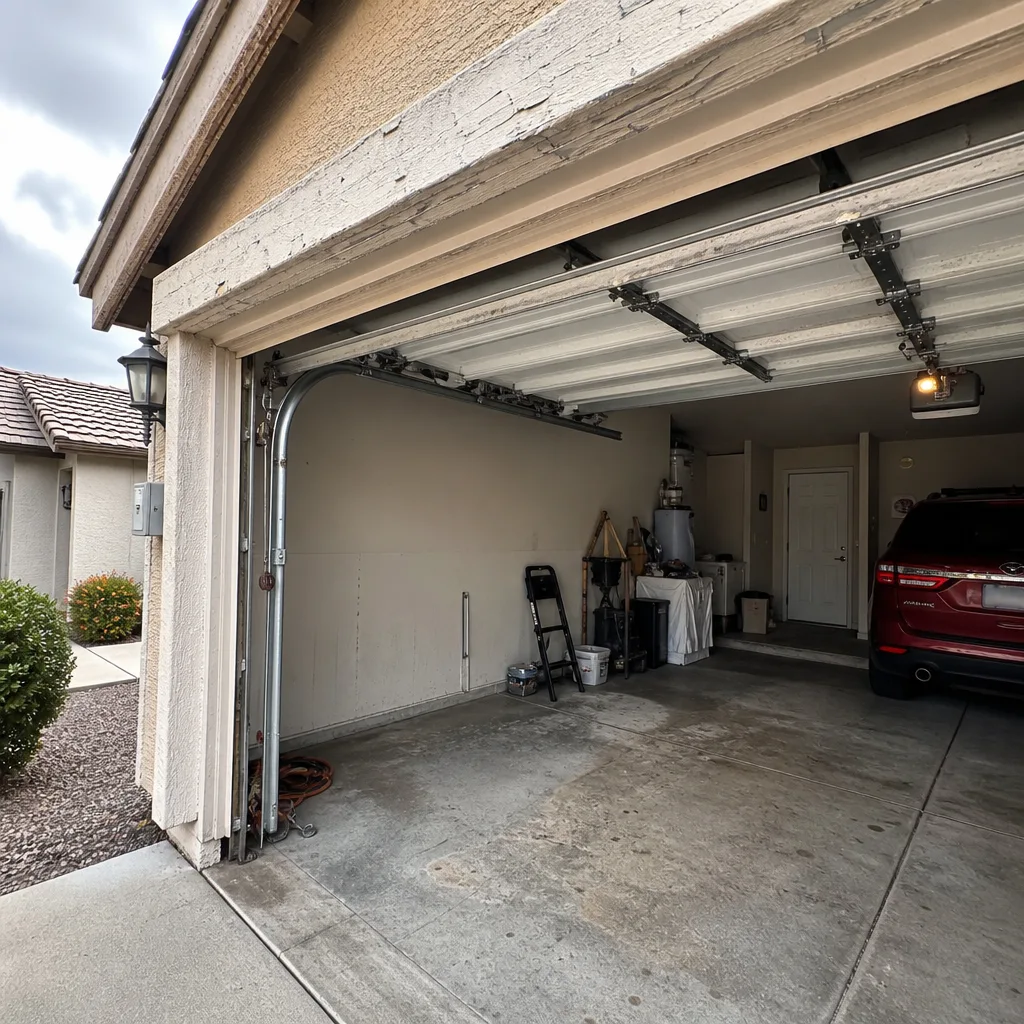 Before
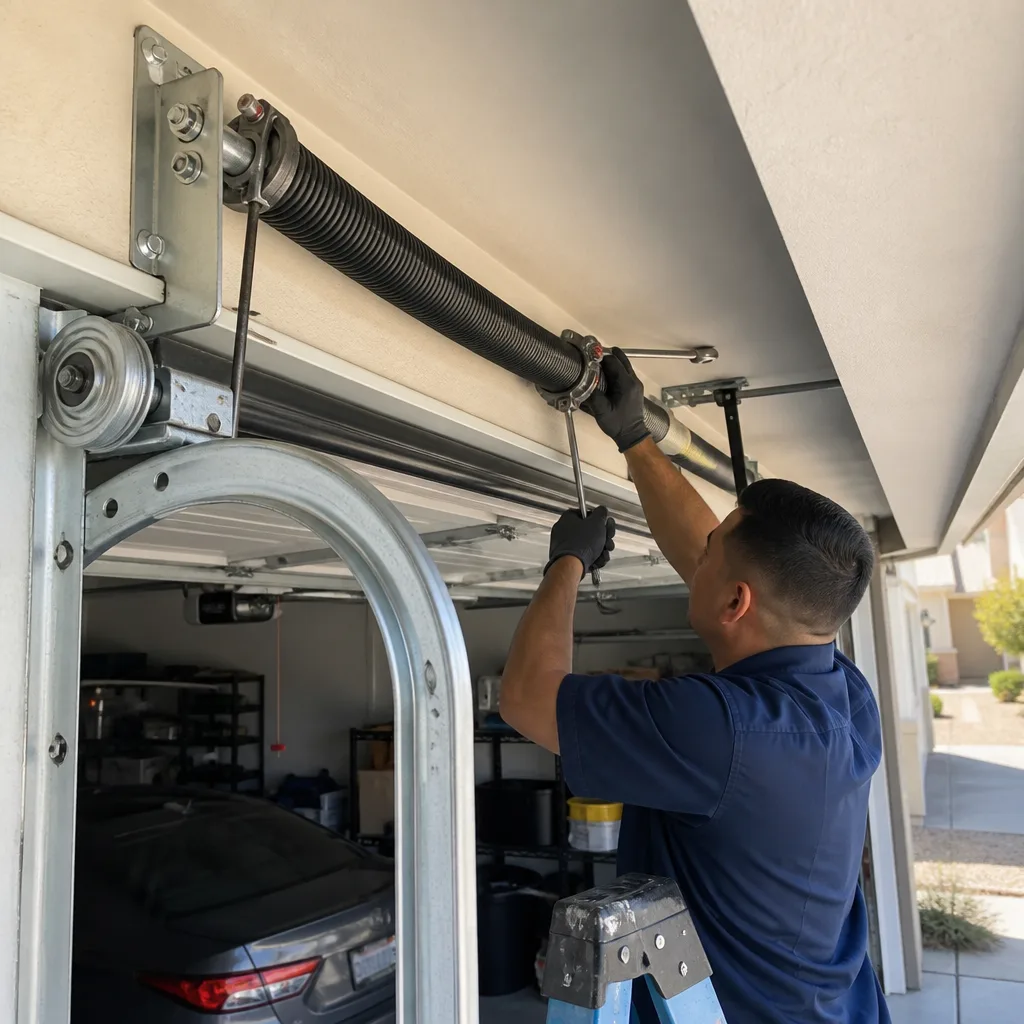 After
AfterLiftMaster Roller Replacement: The Surprise Owner’s Guide
LiftMaster roller replacement in Surprise typically runs $110-$220 installed, including the rollers, labor, and a written price before we touch the door. Most jobs are completed the same day we arrive, and we stock LiftMaster-compatible rollers on the truck for the most common door sizes in the Surprise market. You’ll usually notice the problem before you can name it: the door shudders on the way up, sounds like it’s dragging gravel through the track, or hesitates halfway and then lurches before settling. That’s a roller that’s stopped rolling and started sliding.
Rollers fail because they carry the entire weight of the door through the track hundreds of times a year, and in Surprise, the heat adds a second failure mode: the bearings inside the roller dry out faster than they would in a milder climate. Once the bearing seizes, the roller becomes a steel wheel grinding against the track, and the wear moves from the roller to the rail itself, which is a more expensive problem. We quote the roller job as it is, not as a gateway to a track replacement you don’t need yet.
Which LiftMaster Models This Applies To
LiftMaster doesn’t manufacture the rollers themselves; the door they’re mounted in came from a door builder, and the roller spec follows the door, not the opener. That means a LiftMaster roller replacement applies to almost every residential sectional door in Surprise, whether the opener is a LiftMaster, Chamberlain, or Genie. What matters is the roller stem length and wheel diameter, and across the LiftMaster-installed doors we see in Surprise, the overwhelming majority use a standard 2-inch nylon roller with a 4-inch stem on the bottom brackets and a shorter stem everywhere else.
The compatibility gotcha we see regularly: doors with LiftMaster’s newer side-mount openers (models like the 8500W or 98022) tend to be heavier doors, and those often came from the factory with 10-ball or 11-ball bearing rollers rather than the cheaper 7-ball versions. Swapping in a lesser roller on a heavy door means the replacement will grind out in half the time. If you’re not sure which roller your door takes, read the stamped number on the roller stem, or measure the stem from the wheel to the end. OEM LiftMaster-branded rollers are simply rebadged standard commercial rollers, so a quality aftermarket equivalent with the same bearing count and stem length performs identically at a lower part cost. We quote both ways and show you the difference on paper.
Signs Your LiftMaster Roller Replacement Is Failing
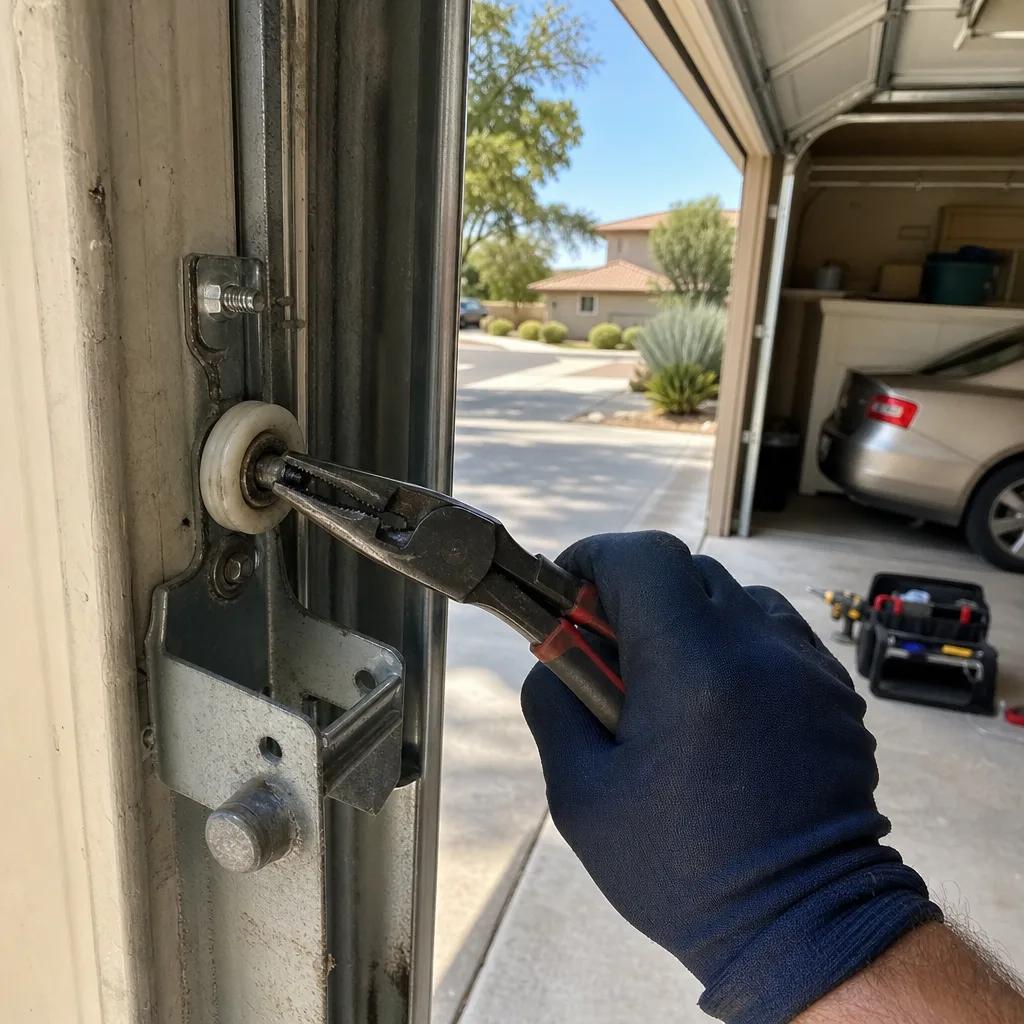
- The door rumbles or shudders while moving. That’s the sound of a seized bearing dragging instead of rolling. The roller wheel may be flat-spotted, and every flat spot becomes a thump against the track.
- Visible wear or chips on the roller wheel. Nylon rollers crack under heat stress, and once a chip forms, the wheel loses its round profile. The door will catch at that spot on every cycle.
- Metal-on-metal grinding from the track area. When the nylon surface wears through to the bearing housing, the steel core contacts the track directly. That’s scoring the rail, and the repair price climbs with every week it runs that way.
- The door hangs slightly to one side when partly open. A seized roller on one side changes how the door tracks through the curve at the top. You may see the gap between the door edge and the jamb get wider near the top on one side.
- Loose or wobbly roller stems in the hinge. The roller stem stays seated, but worn hinges allow too much lateral play. The roller looks like it’s swimming in the hinge, and the door develops a side-to-side rattle as it runs.
BeforeAfterReplacement Cost & What’s Included
In Surprise, installed roller replacement runs $110-$220 for a full set on a standard two-car door. The range comes down to two things: how many rollers the door has (usually 10 to 12, but some double-wide doors carry more) and the bearing count. Standard 7-ball nylon rollers land at the bottom of that range; 10-ball or 11-ball rollers with sealed bearings, which we recommend for heavier doors and anyone who wants the quietest possible operation, land at the top.
That price includes the rollers themselves, the labor to replace them, lubrication of the new bearings, and a written scope and written price before any work begins, per Clause 1 of The Haven Standard. There’s no “call for a quote” step and no revised number once we see the door. The price we hand you is the price on the invoice. The work carries our 365-Day Done Right Promise: if a roller we installed fails within a year, we make it right. We’ll also photograph the failed rollers before we remove them, under Clause 4, and you’ll receive that photo record when the job is done.
DIY or Call Us?
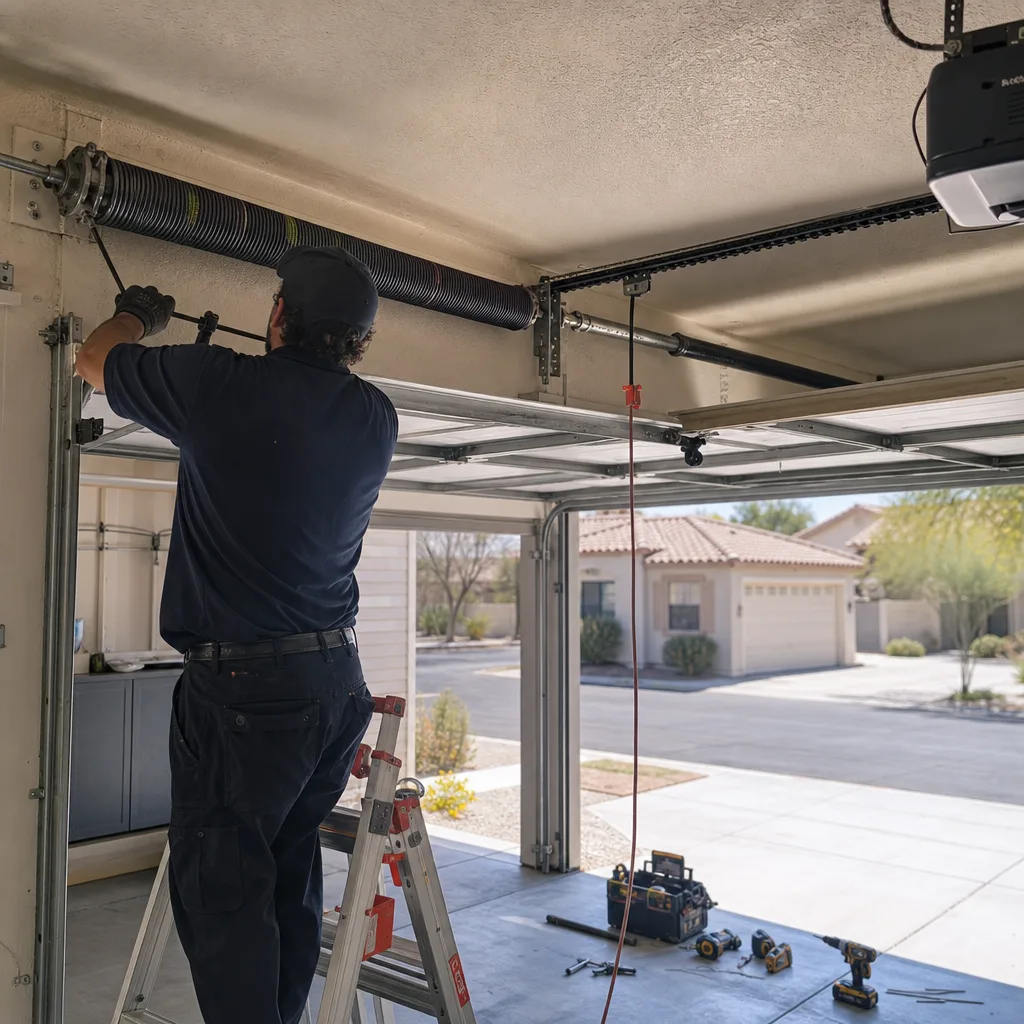
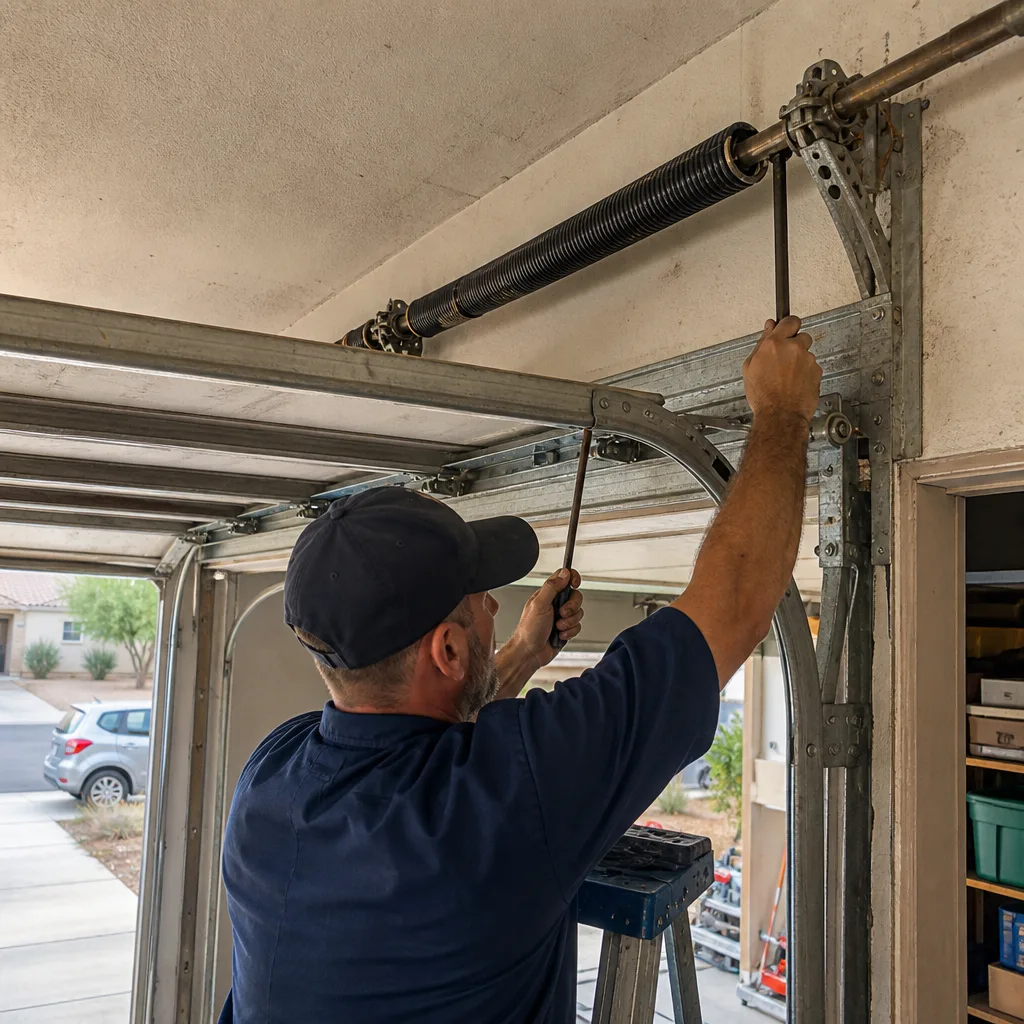
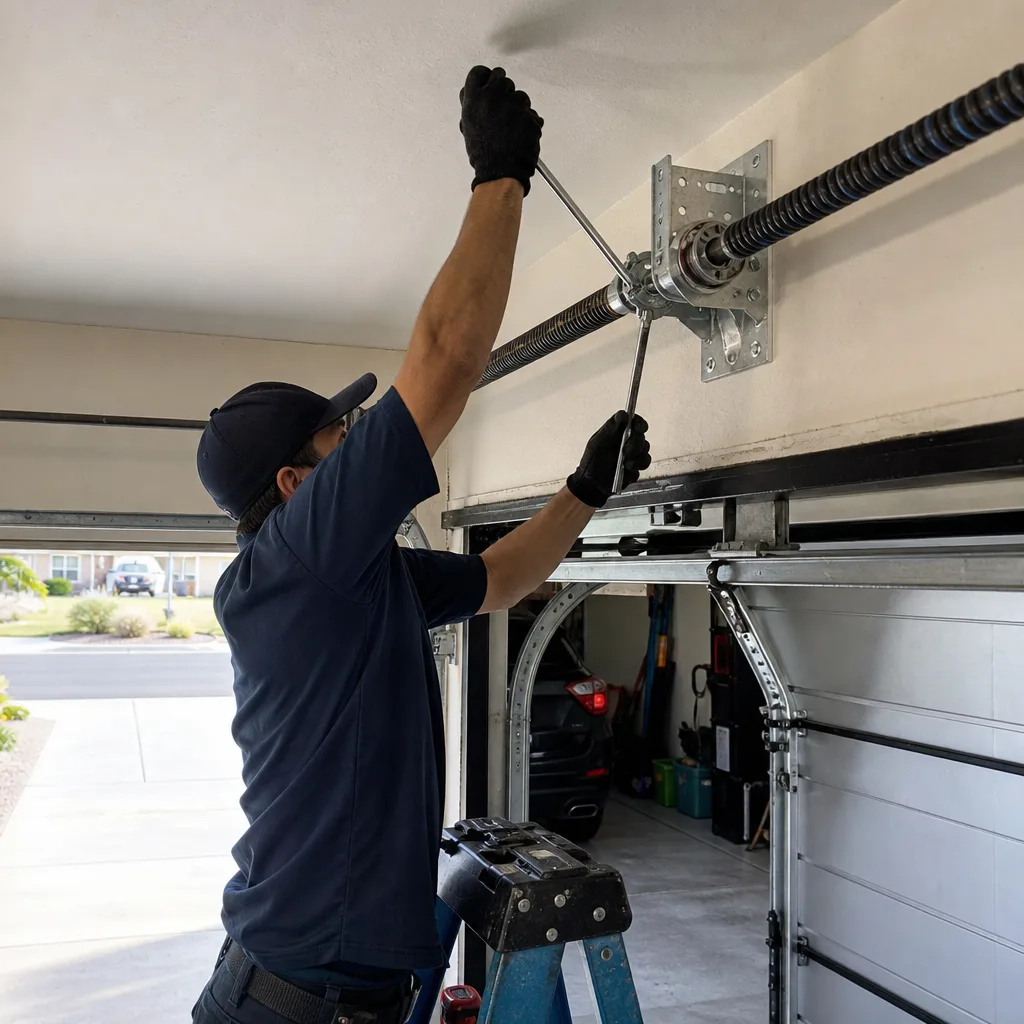
Rollers on the bottom bracket are under constant cable tension, and on a door with a torsion spring, that tension doesn’t go away just because the door is up. The bottom roller is held by the same bracket the lift cable attaches to, and pulling that bracket without first unloading the cable is how people lose fingers or take a cable lash to the face. We don’t recommend DIY bottom-roller replacement on any door with a torsion spring. If you want to diagnose before calling, watch the door move through two full cycles while looking at the rollers, and note which ones aren’t spinning. That’s useful information to give the tech, and it’s safe to gather.
Top and middle rollers are less dangerous but still require bending the track or unbolting the hinge, and a track that’s been forced out of alignment often never runs true again without a track re-hang. Name the part. Quote the range. Do the work. That’s how we’d rather handle it. If you’ve identified a failed roller and want a set price before anyone walks in the door, call (928) 588-1812.
FAQs
In Surprise’s summer heat, standard 7-ball rollers typically last 4 to 7 years before the bearing grease breaks down and they start grinding. Sealed-bearing 10-ball or 11-ball rollers routinely last 10 to 12 years here, which is why we recommend them for anyone planning to stay in the home. Call (928) 588-1812 and we’ll tell you which roller your door is running now and what an upgrade costs in writing.
No. A seized or chipped roller can’t be rebuilt; the bearing is pressed into the wheel, and once it’s shot, the part is done. The repair is the replacement. The good news is rollers are one of the least expensive parts on the door, and replacing them early protects the track, which is a far more expensive component to replace.
Most complete roller swaps take 45 to 90 minutes on a standard two-car door, including lubricating the new bearings and running the door through a few test cycles. If we find hinge wear during the job, we’ll show you a photo and a written price for that additional work before we do it; nothing is added without your approval.
Yes. We carry 2-inch nylon rollers in 7-ball, 10-ball, and 11-ball configurations, with both short and long stems, on our service vehicles in Surprise. That means the job gets done the same day in almost every case. Call (928) 588-1812 for a written quote before we arrive; that price is locked once we’ve confirmed your door’s roller spec over the phone.
Written by Marcus Deller, Owner, Servo Garage Doors Surprise at Servo Garage Doors Surprise, serving Surprise and nearby areas.