
Last updated September 20, 2026
Full 25-point door and opener safety check with every visit - springs, cables, rollers, tracks, and your LiftMaster or Chamberlain opener included
You get a price before we start. It does not change when the truck arrives.
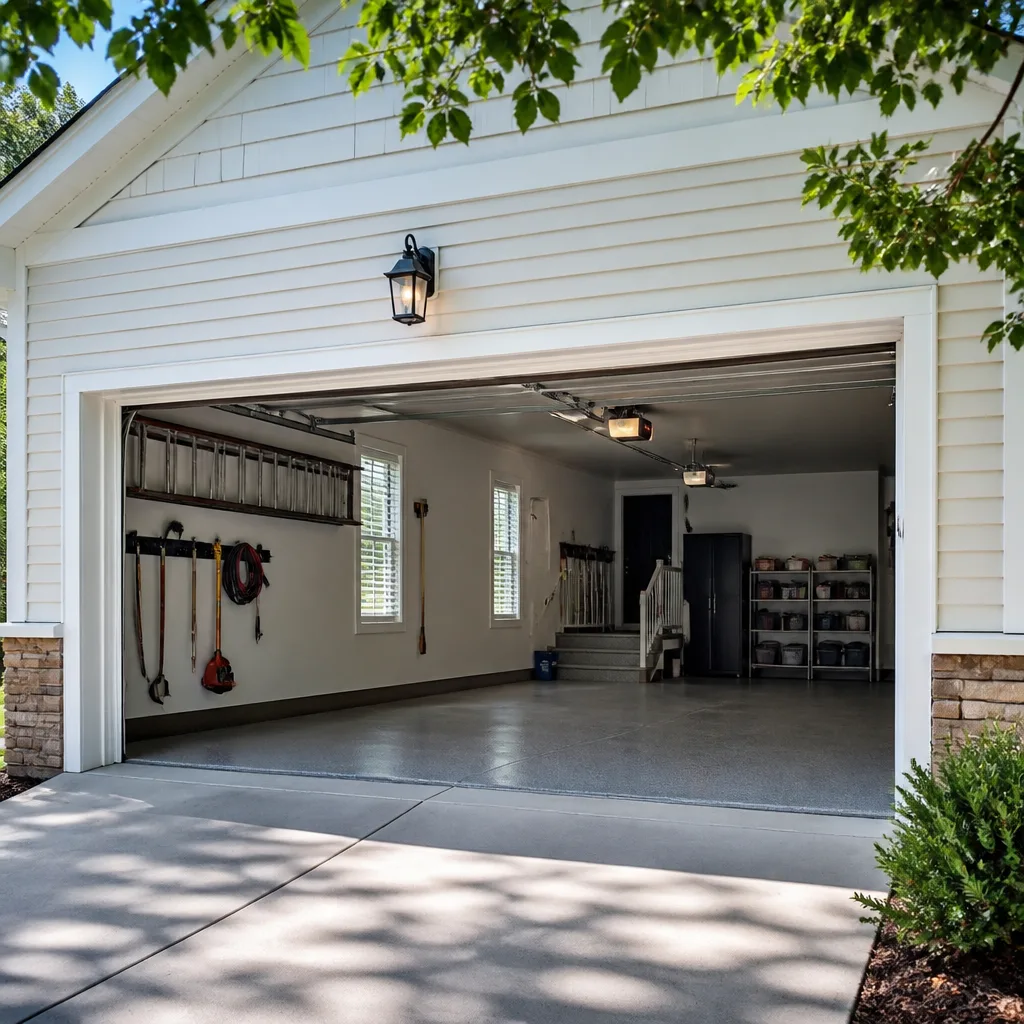
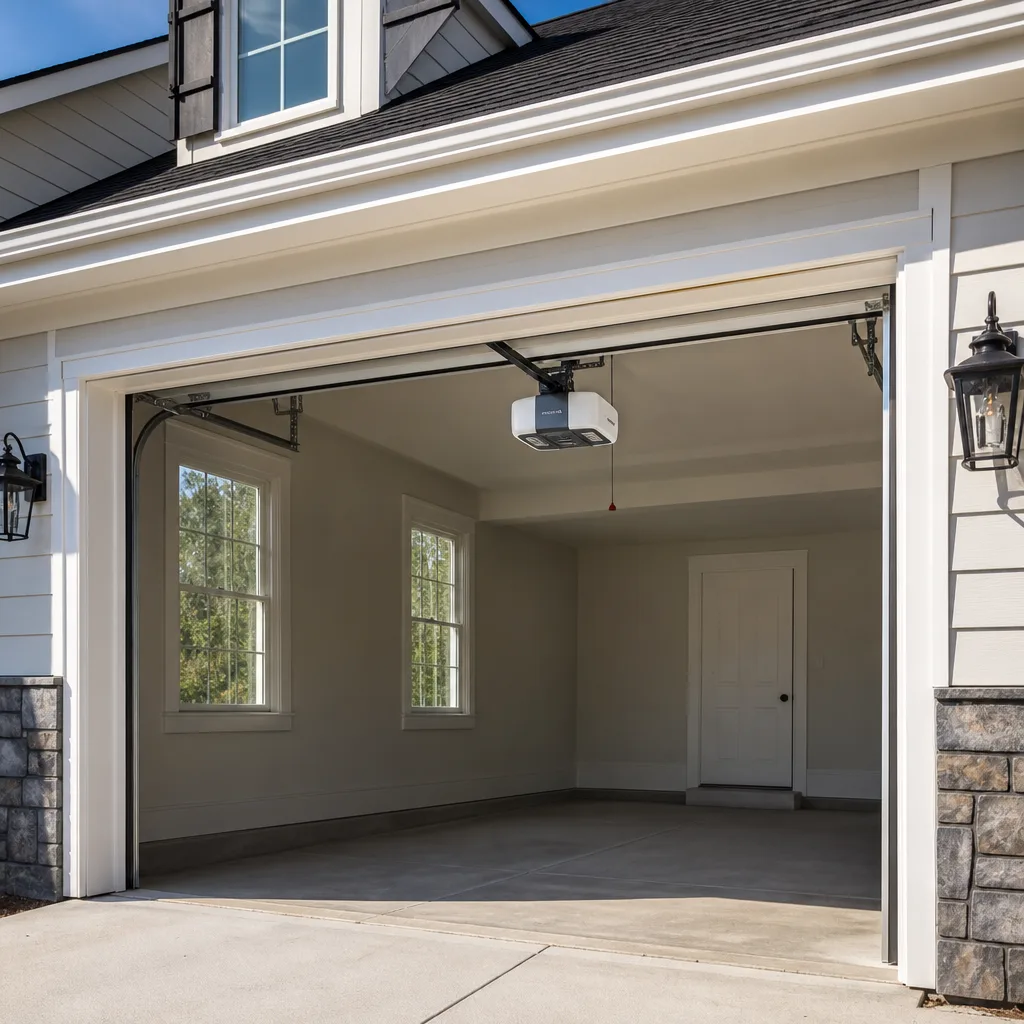
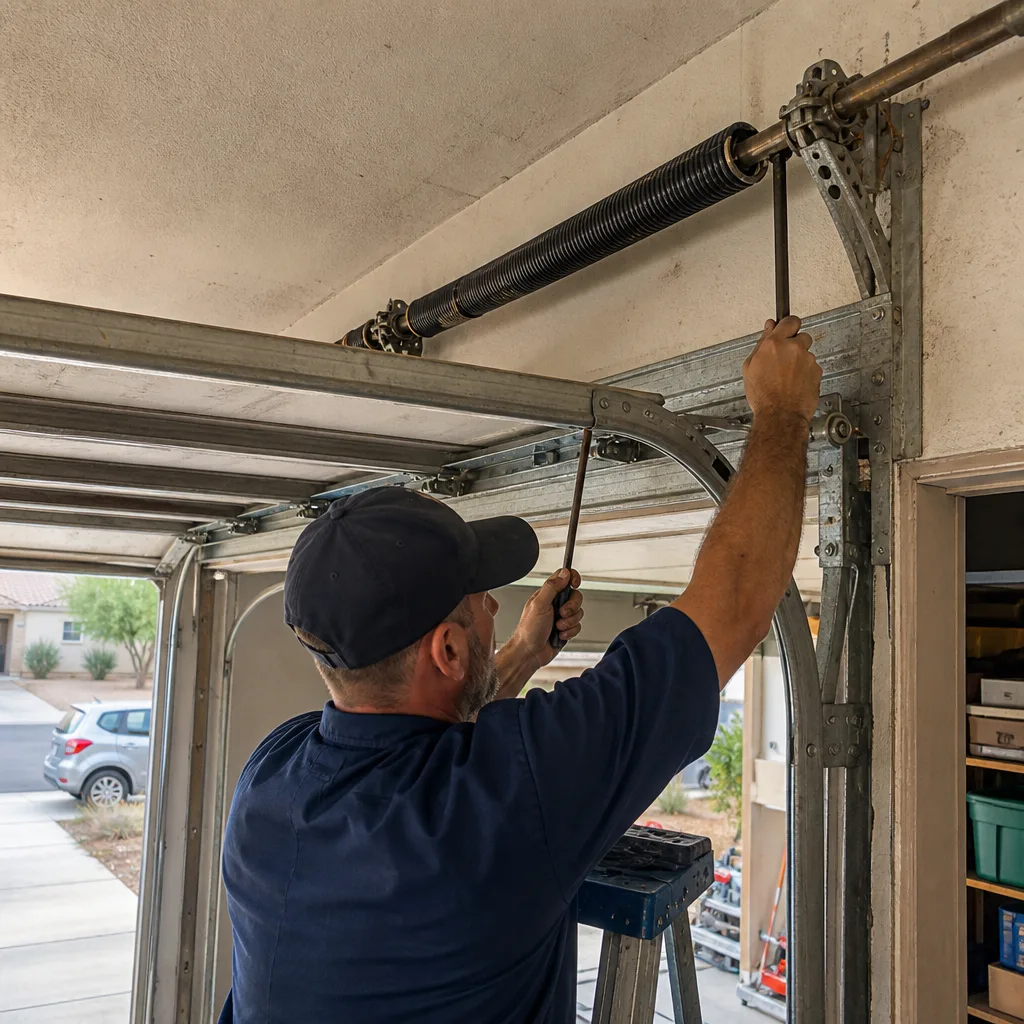 Before
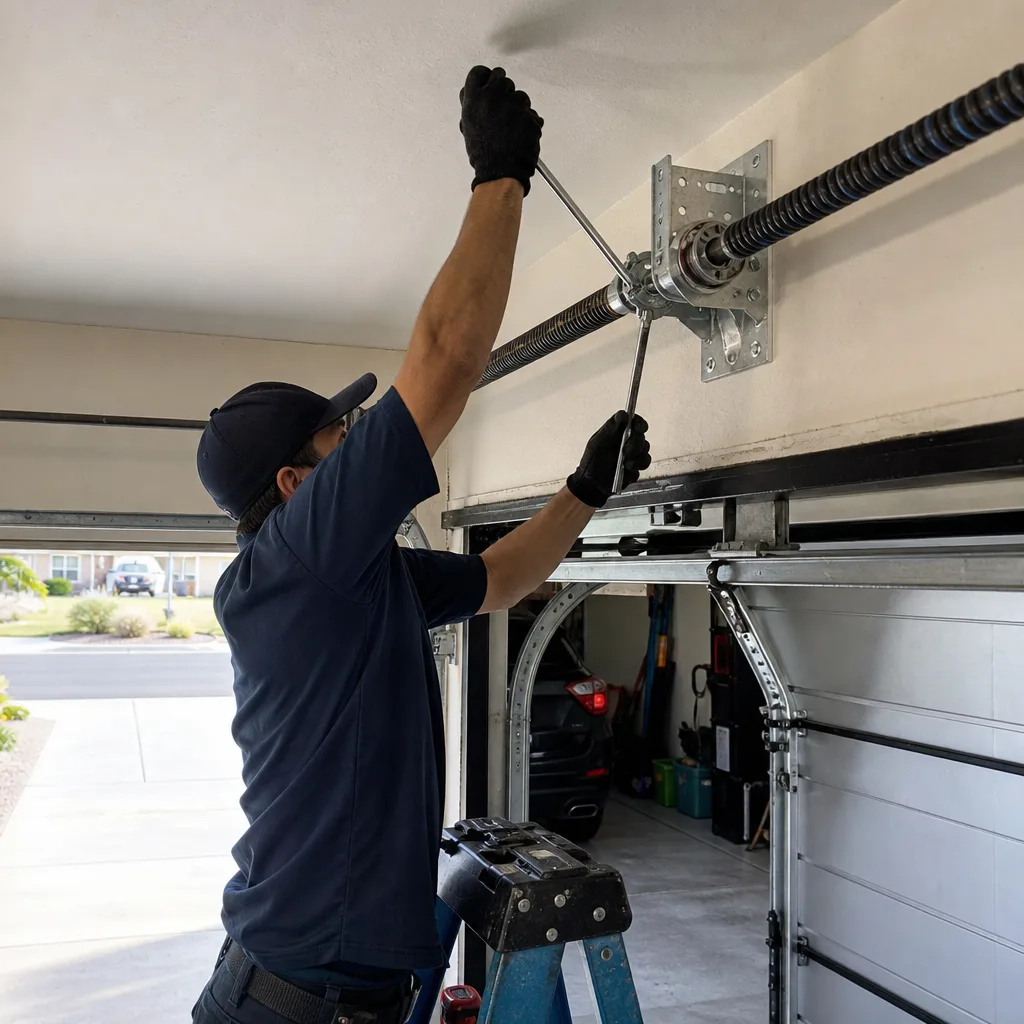 After
After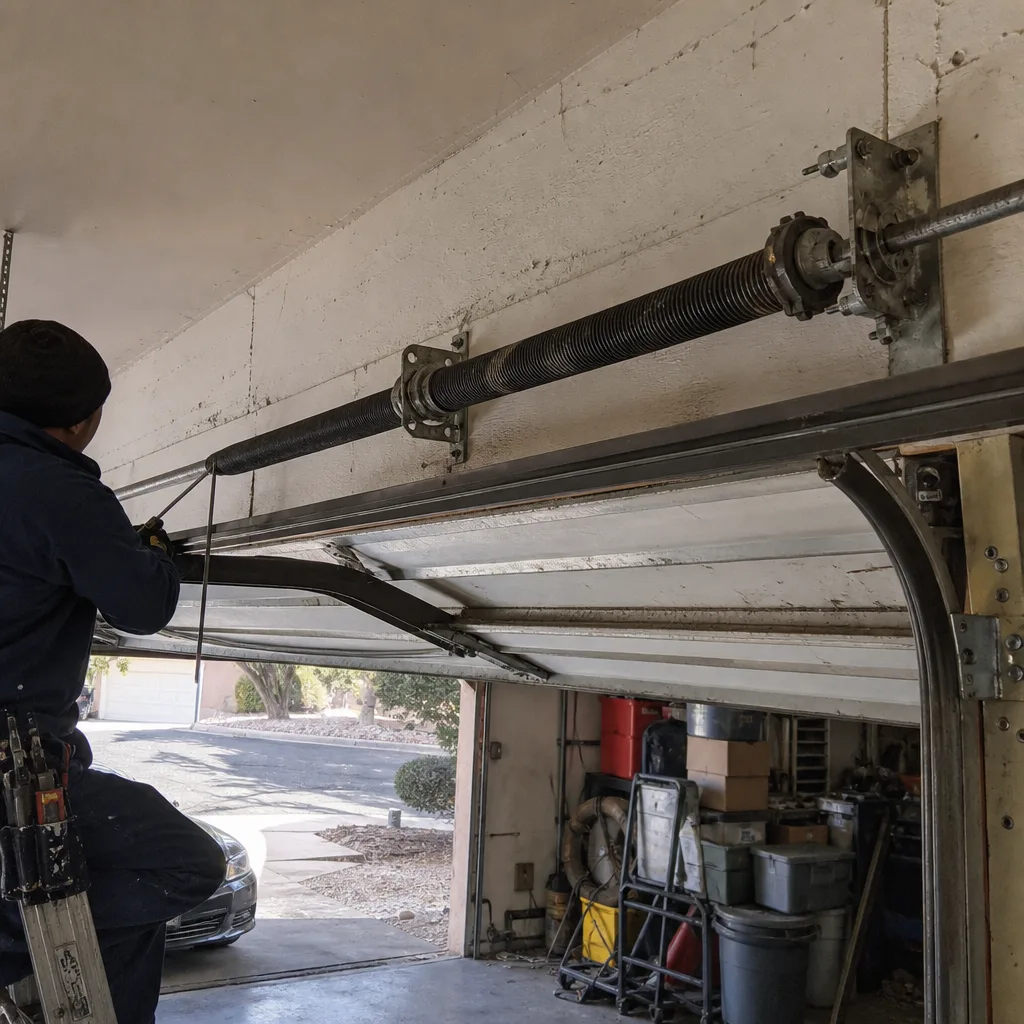 Before
 After
After Before
 After
AfterHow to Hire a Garage Door Contractor in Surprise: A Step-by-Step Guide
Arizona Registrar of Contractors complaint data shows a pattern most Surprise homeowners don’t see coming: the majority of garage door disputes in Maricopa County are not about shoddy workmanship. They’re about work that was never reduced to writing. A verbal quote of $400 becomes an invoice of $900, and the homeowner has no paper trail to push back. This guide walks you through the hiring process with one goal: knowing exactly what the paperwork should say before you sign anything. For more, see our Complete Guide to Garage Door in Surprise.
Quick Answer
To hire a garage door contractor in Surprise the right way, verify their Arizona Registrar of Contractors license status, require a written quote with part numbers and line-item labor before any work starts, and walk away from any company that won’t put the scope in writing. The contractor you want photographs the failed component, names the part, and hands you a flat price on paper before touching your door.
Table of Contents
- Step 1: Verify the ROC License Before You Dial
- Step 2: Know What a Complete Written Quote Looks Like
- Step 3: Read Reviews the Right Way
- Step 4: Questions That Separate Professionals From Upsellers
- Step 5: The Photo-Before-Quote Standard
- What to Know About the Surprise Market Specifically
- Red Flags That Appear Before You Even Meet the Technician
BeforeAfterStep 1: Verify the ROC License Before You Dial
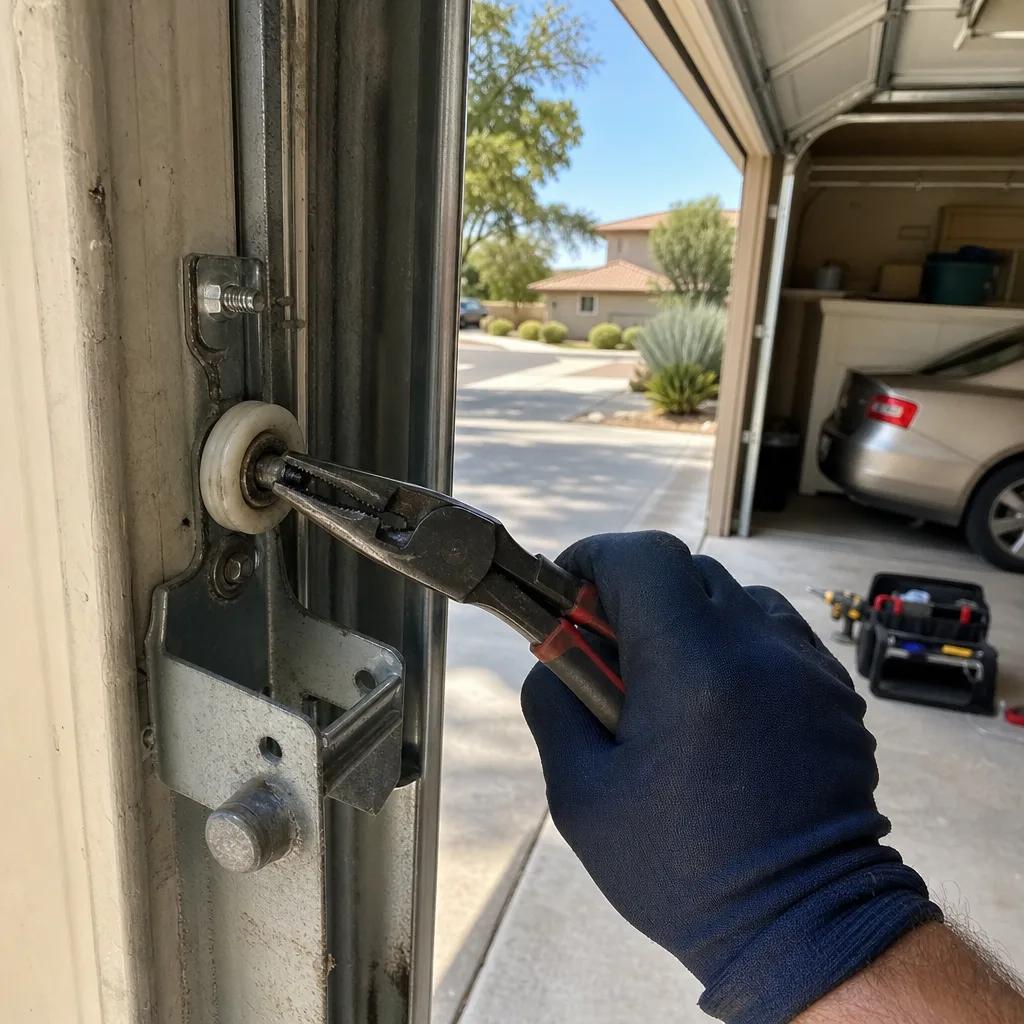
Arizona law requires any contractor performing garage door installation or repair work over $1,000 in labor and materials to hold a license from the Arizona Registrar of Contractors. The relevant classification for garage door work is C-17, which covers doors, gates, and activating devices. Here’s the part most Surprise homeowners miss: you can verify a license in under three minutes at the ROC website (roc.az.gov), and you should do it before the technician ever parks in your driveway.
Enter the contractor’s name or license number in the ROC license search. Look for three things: the license status says “Active,” the classification covers C-17 (doors and gates), and the expiration date is in the future. An unlicensed operator won’t show up at all, or they’ll show a license under a different classification like landscaping or handyman services. A handyman license does not cover garage door repair in Arizona. If the person on the phone can’t produce a license number when you ask, that’s the end of the conversation.
We’ve seen what happens when Surprise homeowners skip this step. An unlicensed operator replaces a torsion spring incorrectly, the door comes off its tracks two weeks later, and the homeowner has no recourse through the ROC recovery fund because there was never a licensed contractor involved. The ROC exists precisely so you don’t have to litigate this yourself. Use it.
Step 2: Know What a Complete Written Quote Looks Like
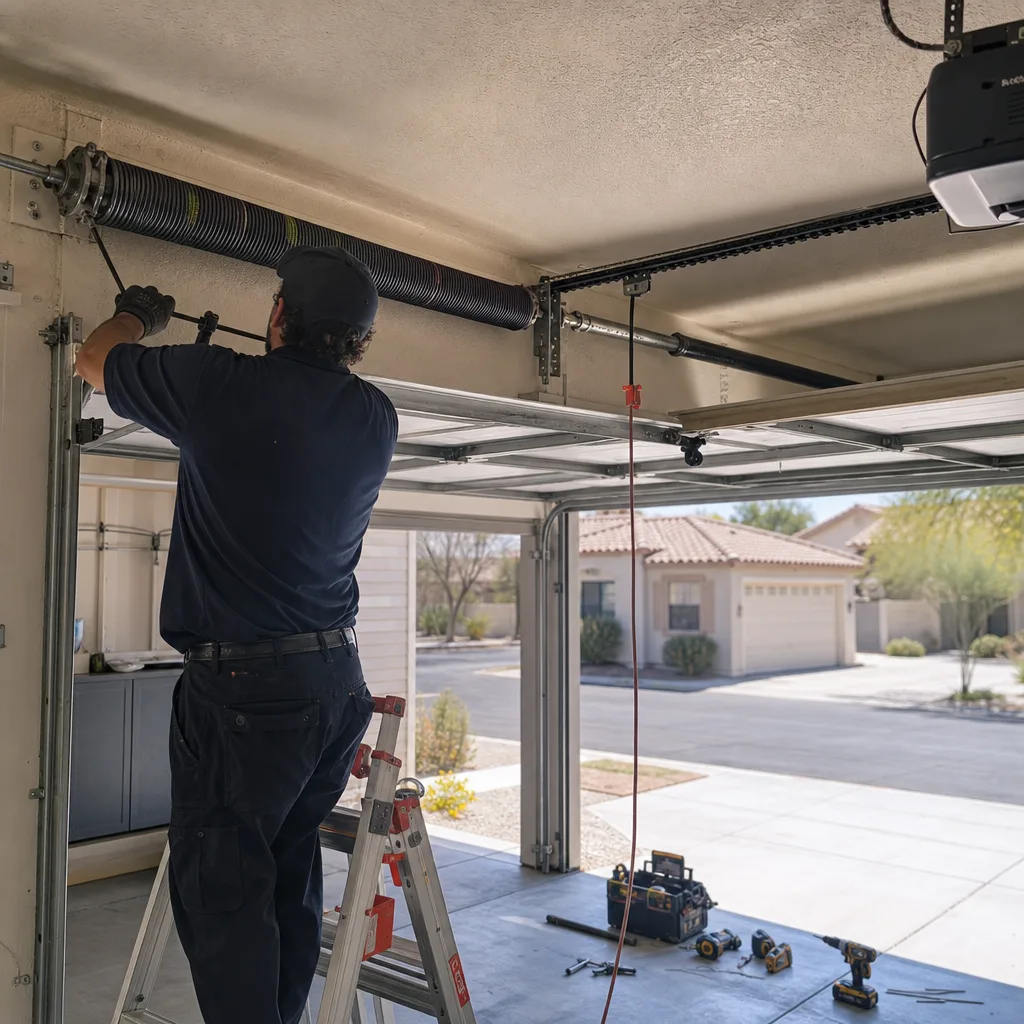
This is where the hiring process breaks down for most people, and it’s the centerpiece of this guide. A complete, enforceable quote contains five elements, and any quote missing one of them is structurally unenforceable no matter how honest the contractor seems.
Here’s the anatomy of a quote you can actually hold someone to:
- Part number - not “torsion spring” but something like “Pair of 0.225″ wire x 2″ ID x 32″ torsion springs, P/N 220-222.” A quote that says “springs” with no number means the contractor can install whatever is cheapest and you have no way to verify what you paid for.
- Part description - what the part is, its size or specification, and the quantity. One spring or two? Galvanized or oil-tempered? The description is what makes the part number meaningful to you.
- Unit price - the cost per part, not a bundled “parts and labor” lump. Unit pricing lets you see what labor actually costs versus materials.
- Labor line-itemized by task - removing the old spring, installing the new spring, balancing the door, adjusting the opener force settings. Each task gets its own line. This is what prevents the “that wasn’t included” conversation later.
- Total - a flat number that matches the sum of the lines. If the total doesn’t equal the line items added together, you’re looking at a padded invoice, not a quote.
A quote missing part numbers is missing its spine. It’s the difference between a contract and a suggestion. When you hire Servo Garage Doors Surprise home services, the written scope includes every one of these elements before any work begins. That’s not a courtesy. It’s Clause 1 of The Haven Standard: written price and written scope before any work starts, every time.
Step 3: Read Reviews the Right Way
Five-star volume is the least informative thing about a garage door company’s online reviews. What you want to examine is how a company responds to complaints, specifically complaints about pricing surprises. That’s where the truth lives.
Here’s our method for evaluating reviews in Surprise specifically:
- Sort by lowest rating first. Skip the one-star reviews that are vague (“bad service, never again”) and look for the ones with specifics. A one-star review that says “quoted $200 on the phone, billed $600 after the work was done” tells you something precise about how that company handles pricing.
- Read the company’s response. Does the owner acknowledge the complaint, or does the response blame the customer? A company that says “we stand by our work, here’s what the paperwork shows” is operating from a paper trail. A company that says “the customer misunderstood” is telling you how they’ll talk about you if there’s ever a dispute.
- Look for patterns across reviews. One complaint about a pricing surprise is an anomaly. Three complaints about the same thing across different months is a business model. In Surprise, where word travels fast through neighborhood Facebook groups and Nextdoor, patterns matter.
- Check how old the reviews are. A company with 400 reviews but nothing in the last eight months has either stopped caring or stopped working. Recent reviews reflect the current operation.
We’ll say it plainly: the review itself matters less than the response. You’re hiring someone who will document what they do. If their public response to criticism doesn’t reference documentation, they probably don’t keep any.
Step 4: Questions That Separate Professionals From Upsellers
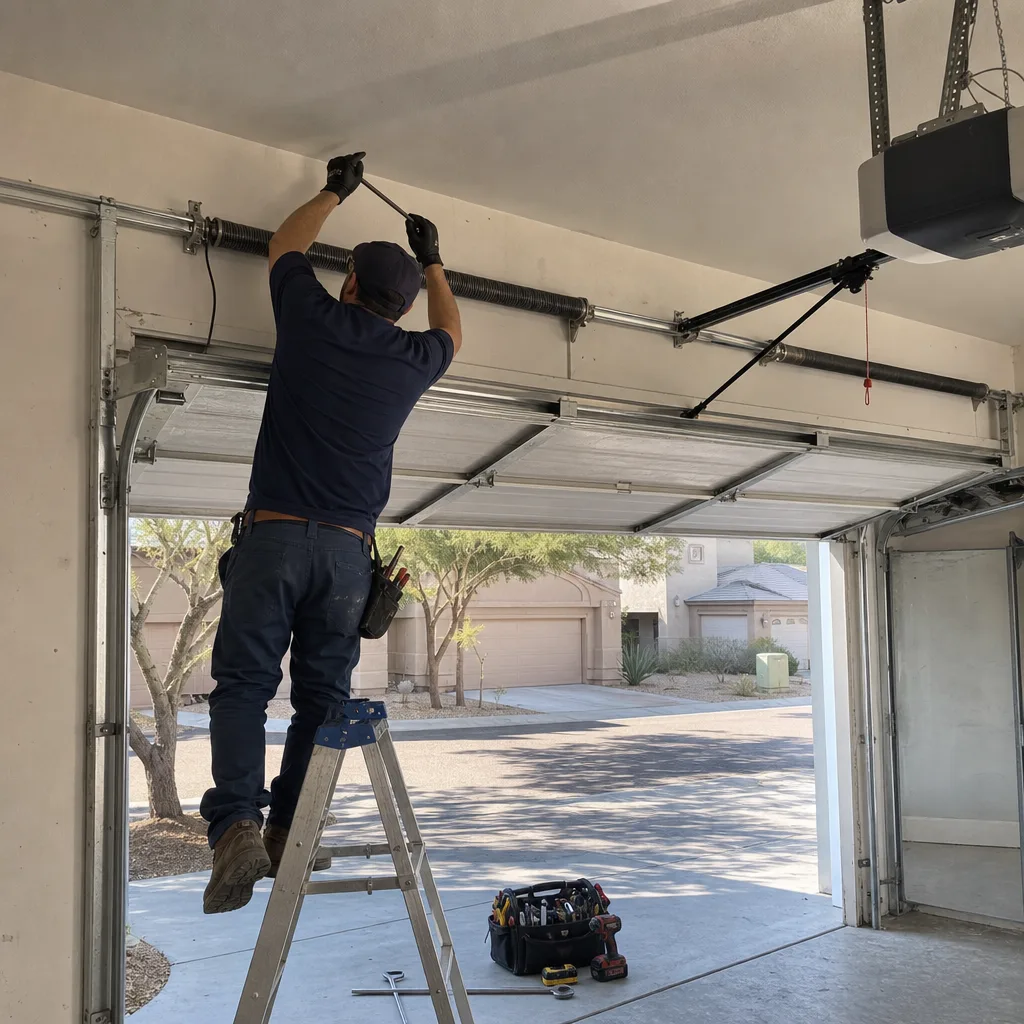
Surprise homeowners will hear a familiar script from commission-driven technicians: the opener is “on its last legs,” the door “might be unsafe,” the rollers “should probably all be replaced while we’re here.” Some of that may be true. Most of it is designed to expand the ticket. Here are the three questions that shut the script down immediately.
- “Can you show me the failed component?” A legitimate technician will take you to the garage, point at the part, and explain what failed in plain language. An upseller will gesture vaguely and say something about “general wear.” At Servo, the founding rule from 2015 is that the customer sees the failed part before anyone quotes a replacement. That rule is now codified as Clause 4 of The Haven Standard.
- “What is the part number?” This question separates the professional from the pitch. A real technician knows the part number because they carried the part on the truck and looked up its spec. Someone guessing at your wall won’t be able to name a part number, and that’s your answer about whether they should be quoting it.
- “Can I see it written before you start?” Watch the reaction. A professional says “yes, that’s standard.” An upseller says “we can just shake on it” or starts explaining why the written price might need to change once they’re inside the job. That’s not how fixed work works. Get the paper first, then the work.
These three questions are not rude. They’re the minimum standard for hiring someone to touch a door that weighs several hundred pounds and operates under spring tension. If a contractor bristles at any of them, you’ve learned something useful.
Step 5: The Photo-Before-Quote Standard
Here’s what a documented, price-first system looks like in practice, step by step. This is the sequence you should expect from any contractor you hire in Surprise:
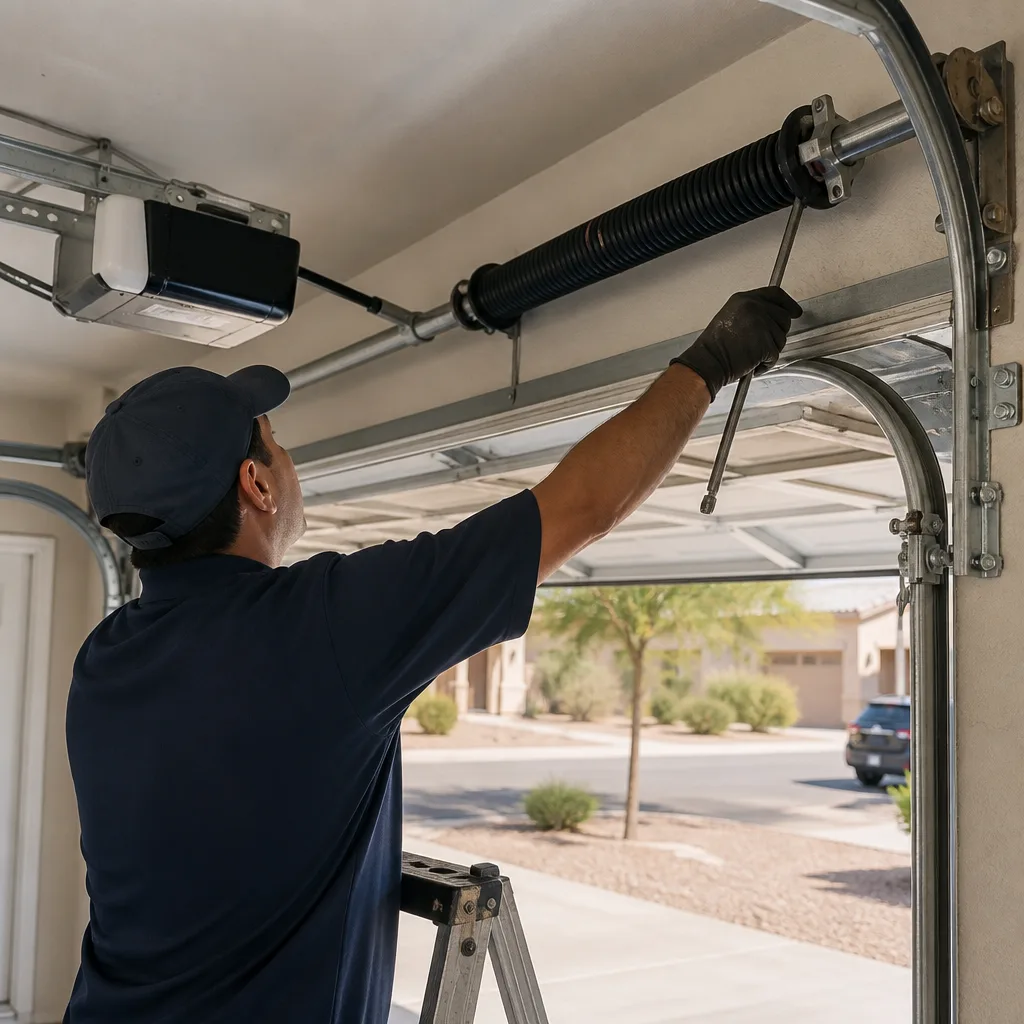
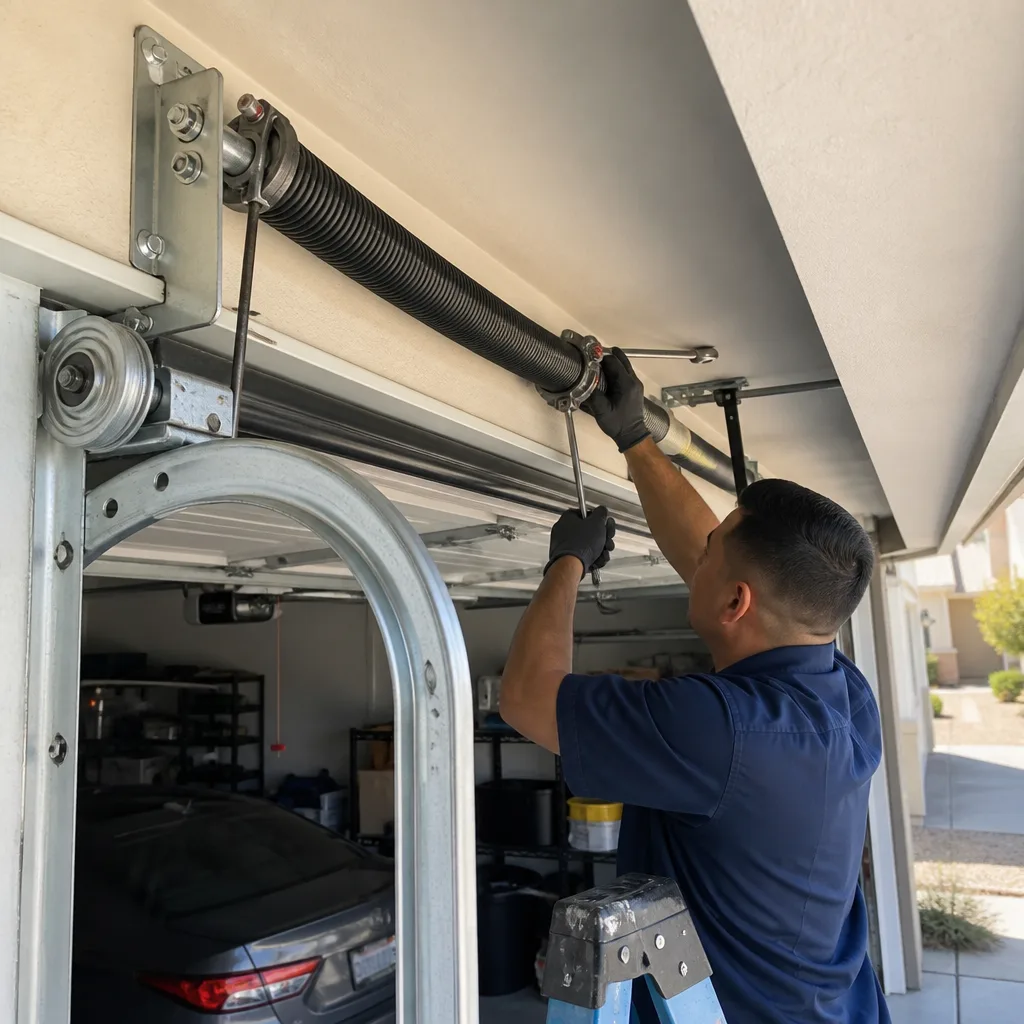
- The technician inspects the door. This means looking at the springs, cables, rollers, hinges, tracks, opener, and the balance of the door itself. A visual inspection takes fifteen to twenty minutes on a typical single-car door.
- The technician photographs the failed component. You see the photo on their phone or device before they quote anything. You know what broke and why. This is Clause 4 in action: photograph before quote.
- A written quote is produced on site. Part numbers, descriptions, unit prices, line-item labor, and a flat total. You read it, ask questions, and agree to it in writing before any tool comes out of the truck.
- The work is completed. No verbal additions, no “we found something else” without a revised written scope.
- You receive a documented photo record. Photos of what was found, what was done, and the completed work. You leave with evidence, not a receipt that says “garage door repair” and a number.
This sequence is how Servo Garage Doors Surprise has operated since 2015. It’s not complicated. It just requires the discipline to write things down, and most contractors don’t bother because most homeowners don’t ask. Ask.
What to Know About the Surprise Market Specifically
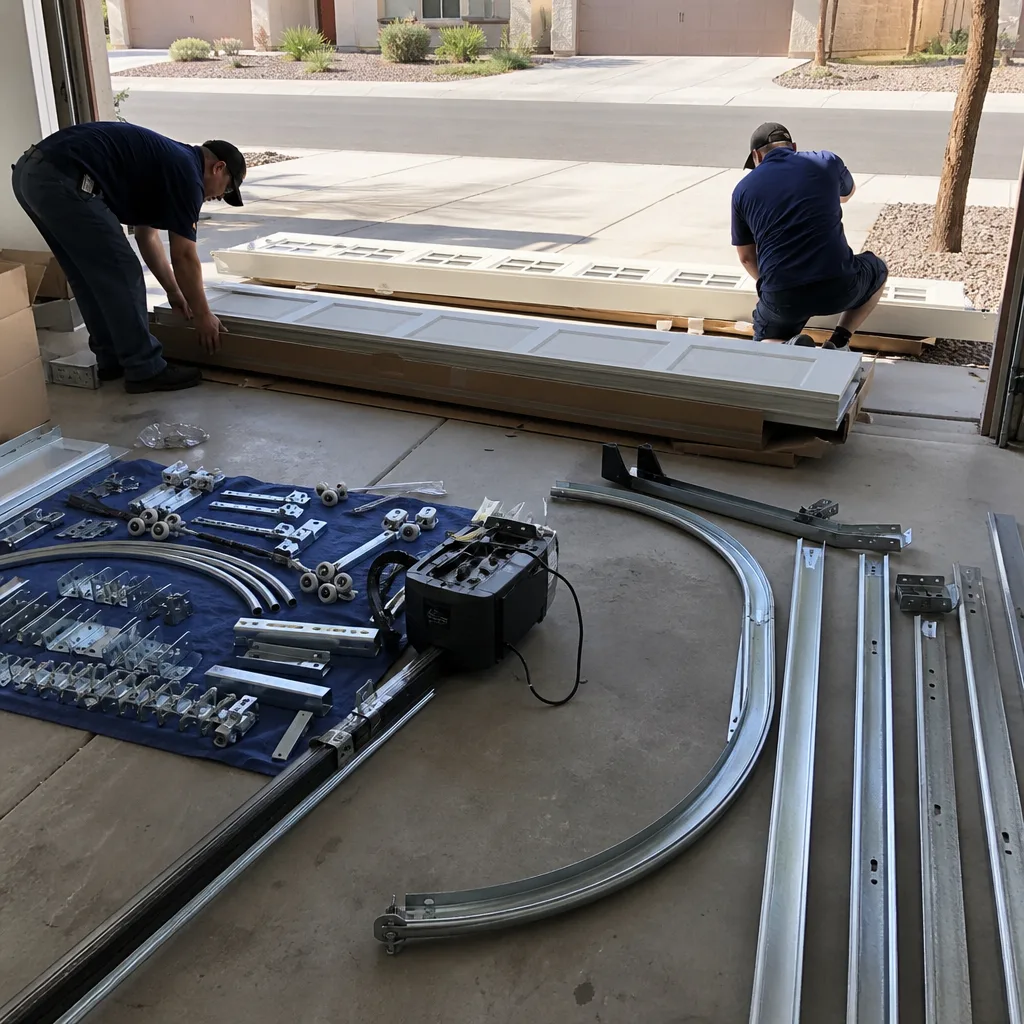
Surprise has a specific set of conditions that affect garage door work, and a good contractor knows them before they arrive. The Sonoran Desert climate is hard on components: extreme summer heat accelerates spring failure, the fine dust that blows across the valley clogs rollers and tracks, and the monsoon storms that roll through between June and September can warp uninsulated doors left exposed to direct sun. See Seasonal Garage Door Care for Surprise: Year-Round Homeowner’s Guide for maintenance tips. Homes in neighborhoods like Marley Park, Sierra Montana, and Desert Oasis were built in waves over the last two decades, which means many Surprise doors are reaching the 10-15 year mark where original springs and openers start to fail at the same time.
Expect spring replacement in Surprise to run between $280 and $450 for a pair of torsion springs on a standard double-car door, depending on the wire size and cycle rating. Opener replacement typically runs $450 to $750 installed, depending on whether you’re replacing a chain drive with a belt drive and whether you’re adding features like battery backup or smart home integration. A full door replacement on a single-car opening runs $1,200 to $2,400 for a steel door with basic insulation, climbing from there for premium materials. These are written-price ranges, not phone estimates. If you’re getting numbers verbally over the phone before anyone has seen the door, you’re getting a guess, not a quote.
Our technicians work across Surprise year-round, and we service all eight major brands: LiftMaster, Chamberlain, Genie, Clopay, Amarr, Wayne Dalton, Craftsman, and Raynor. If you’ve got a Genie opener that’s throwing a limit switch error or a Clopay door with a warped panel, chances are we’ve seen that exact failure on another Surprise door in the last month. That local repetition is part of what makes diagnosis faster and quotes more accurate. For more on what repair actually involves once you’ve hired someone, see our page on Garage Door Repair in Surprise.
Red Flags That Appear Before You Even Meet the Technician
Some warning signs present themselves during the phone call, before anyone has seen your door. Here’s what to listen for when you call a garage door company in Surprise:
- Pricing quoted over the phone. A phone quote for spring replacement is a ballpark, not a bid. Anyone quoting a firm number without seeing the door is either guessing or planning to change the number later. A responsible contractor gives a range on the phone and a written number on site.
- “Call for pricing” as a policy. If a company’s website doesn’t name at least a price range for common repairs, they’re building the sales funnel around a phone call, not a paper trail. The whole point of a written quote is that you get to see it before you agree to it. “Call for pricing” delays that moment artificially.
- No license number on the website. It’s not buried in fine print. It’s on the page, in the footer or the about section, visible without hunting. Arizona requires licensed contractors to display their ROC number on advertising. If it’s absent, treat that as a signal.
- Vague pricing language. “Competitive rates” and “affordable pricing” and “we work with all budgets” are not numbers. A contractor who won’t name dollars on the page is a contractor betting you won’t ask in person either.
- Immediate urgency. “We can get someone out there this morning before the price goes up” or “this is the last slot this week.” Surprise residents have options. An artificial deadline is a pressure tactic, not a schedule.
- A push toward full replacement before inspection. If the phone representative suggests you may need a whole new door before anyone has looked at yours, that’s a sales target, not a diagnosis.
Common Mistakes to Avoid
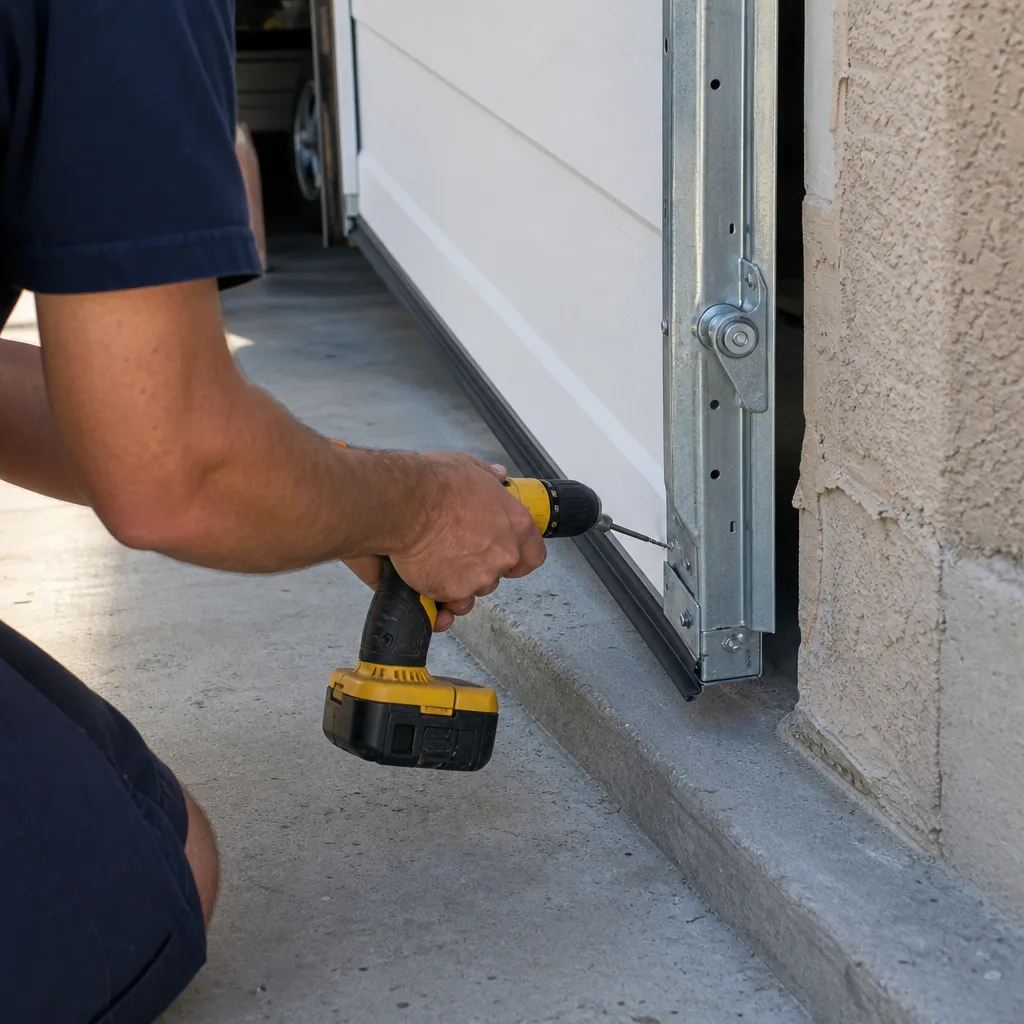
- Accepting a verbal quote and hoping for the best. If it’s not written, it didn’t happen. A verbal quote is unenforceable under Arizona law, and the contractor knows it. Get the paper.
- Skipping the ROC license check. It takes three minutes on roc.az.gov and it eliminates the worst actors instantly. There is no excuse for hiring an unlicensed contractor when the tool is that accessible.
- Choosing the lowest bid without comparing scope. A $250 spring replacement with no part number and no written labor breakdown is not the same product as a $380 spring replacement with a documented scope. You’re not comparing prices. You’re comparing paperwork.
- Hiring before reading the one-star reviews. Everyone looks good in their curated five-star feed. The one-star reviews with specific pricing complaints are the most informative text on the internet for this decision.
- Replacing the door when a $30 part would fix it. A bad limit switch on a Genie opener is a $30 part and twenty minutes of labor. A full door replacement is thousands. If the technician can’t show you the failed part, don’t authorize a door replacement.
- Not asking about the warranty in writing. What happens if the spring breaks again in six months? Get the warranty terms on the written scope, not in a verbal “we’ll take care of you.”
- Ignoring the monsoon season timing. In Surprise, a door that won’t close during July isn’t just an inconvenience, it’s a security risk for your home. Schedule seasonal maintenance before the storms hit rather than after you’re stuck with a door that won’t seal.
When to Call a Professional
A torsion spring under tension carries enough stored energy to cause serious injury or death if released improperly. This is not a DIY repair, and any guide that suggests otherwise is doing you a disservice. If you hear a loud snap from the garage, see a visible gap in a spring, or notice the door only opens a few inches before stopping, stop using the door and call a licensed technician. Same goes for frayed cables, a door that’s visibly off-track, or an opener that’s sparking or smoking. These are not adjustment issues; they’re component failures on a heavy mechanical system. If you’re in Surprise and need a written estimate, our opener repair and installation services cover the full range, and we offer free estimates. Call (928) 588-1812.
Frequently Asked Questions
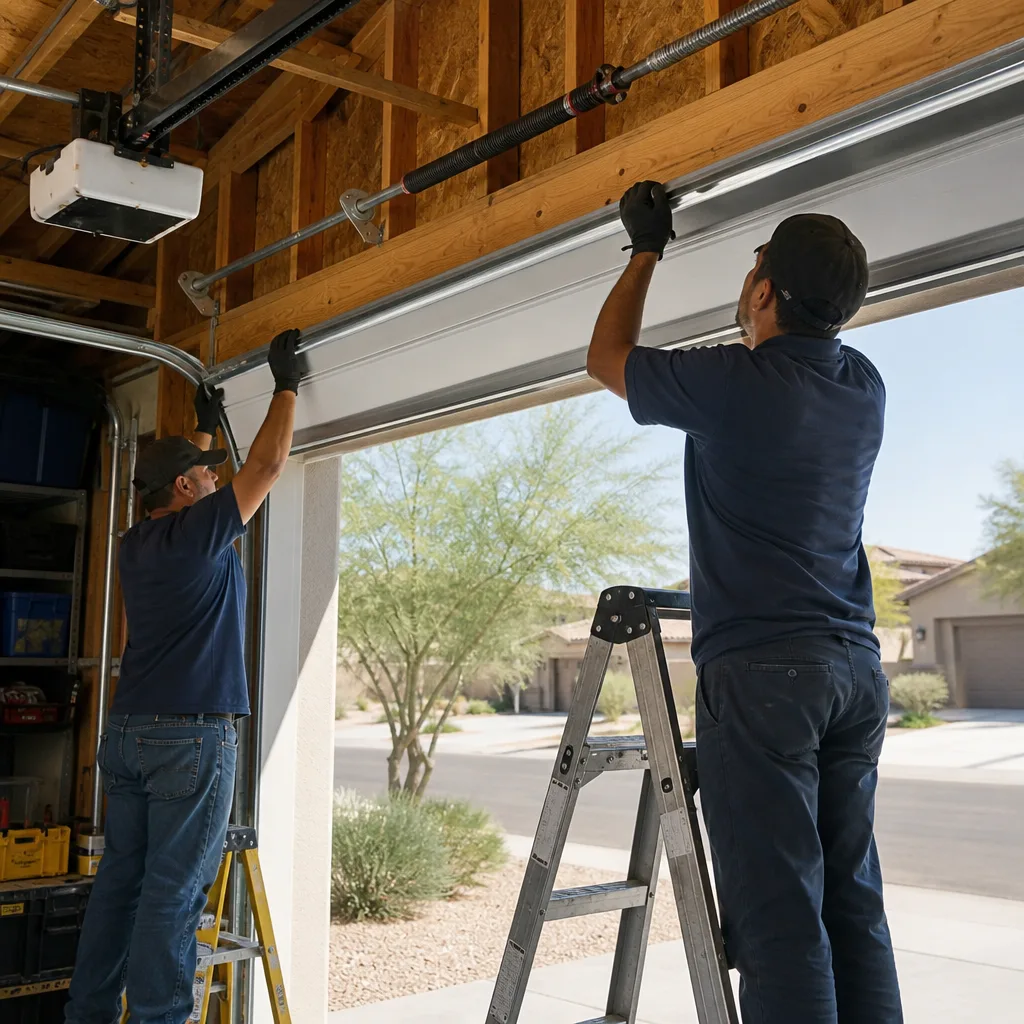
Most garage door repairs in Surprise run between $150 and $500, with torsion spring replacement typically landing at $280 to $450 for a standard double door, opener replacement at $450 to $750 installed, and cable replacement at $150 to $250 per side. These are written-price ranges; the only way to get an exact figure is to have a technician inspect the door and produce a written quote on site. Call (928) 588-1812 for a free estimate with no obligation.
A garage door contractor in Arizona needs a C-17 classification from the Arizona Registrar of Contractors, which covers doors, gates, and activating devices. Verify the license at roc.az.gov before hiring; an active C-17 license means the contractor has met the state’s bonding and experience requirements. If a contractor can’t produce a license number, don’t hire them.
You know by looking at the quote. A legitimate written quote includes part numbers, part descriptions, unit prices, and line-item labor. If the quote bundles everything into one number with no breakdown, you have no way to verify the price, and the contractor knows it. The fix is simple: require the breakdown in writing before you authorize work. If they won’t provide it, they’ve answered your question.
Yes. Torsion springs are rated for a specific number of cycles, meaning open-close operations. When one spring fails, the other is typically at the same usage point and will fail soon after. Replacing both springs at once costs more on the day but saves you a second service call and a second period without a functioning door. In Surprise’s heat, where springs fail faster than in cooler climates, replacing both is the standard recommendation.
Yes, a qualified technician can install and repair Genie openers purchased from any retailer. The work isn’t brand-restricted. Servo services all eight major brands including Genie, Chamberlain, LiftMaster, Clopay, Amarr, Wayne Dalton, Craftsman, and Raynor, and the written quote applies the same way regardless of where you bought the opener.
For emergency situations like a door that won’t close or a snapped spring, you can often get same-day service if you call early in the day. Our phone lines are answered by a live person 24/7, and emergency calls receive a named technician and an on-the-way text rather than a vague callback window. Routine maintenance and Garage Door Installation in Surprise are scheduled in advance with a free measure and written price. Call (928) 588-1812 for the current schedule.
The Bottom Line
Hiring a garage door contractor in Surprise doesn’t require you to become an expert. It requires you to insist on a paper trail: a verified ROC license, a written quote with part numbers, a photo of the failed component, and a flat price before work starts. The contractors who provide these things without being asked are the ones who’ve built their business on documentation rather than persuasion. The ones who resist are telling you something about how they’ll handle a dispute later. In a city where summer heat and monsoon storms push garage doors to failure, the paperwork is what protects you. Get it in writing, every time.
Written by Marcus Deller, Owner at Servo Garage Doors Surprise, serving Surprise since 2015.